Guide to Buying Property in Saudi Arabia as a Foreigner
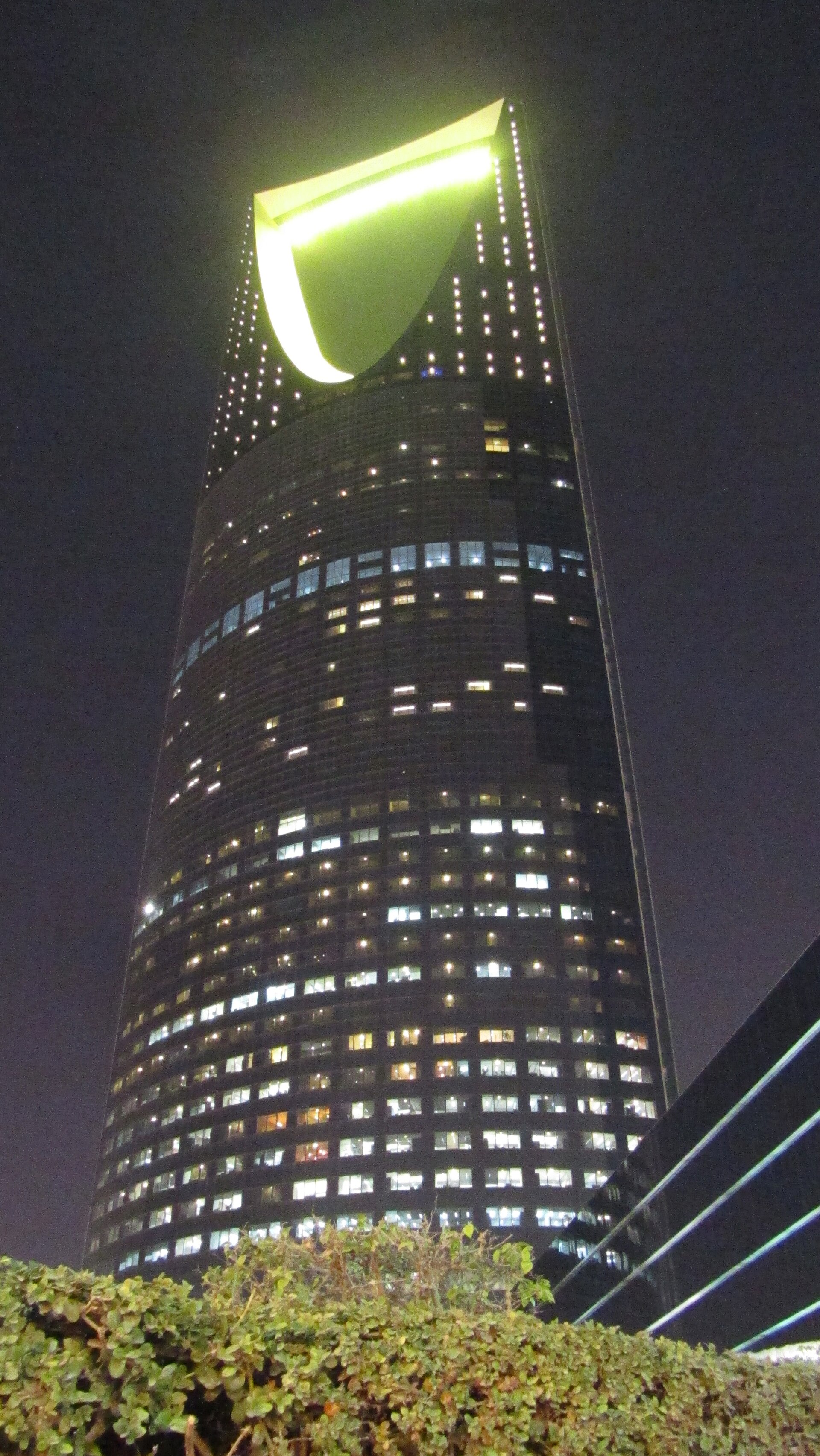
Saudi Arabia's real-estate market has changed dramatically for non-Saudi investors. What was once a closed sector is now one of the most interesting opportunities in the Gulf — and knowing exactly how the rules work is the difference between a smooth purchase and a frustrating one. This guide explains the fundamentals in plain language, based on current regulations and five-plus years of helping foreign buyers through Zainab Properties.
Can foreigners buy property in Saudi Arabia?
Yes — but not everywhere, and not always through the same ownership tool. Foreigners (individuals and companies) may acquire real estate in the Kingdom subject to approval and within designated areas, through either freehold ownership (تملك) or usufruct rights (حق انتفاع). The Council of Ministers resolution issued in 2021 opened the door for non-Saudi investors to own residential and commercial properties in licensed locations — especially in new cities and approved investment zones.
Freehold vs usufruct — understand the difference
- Freehold (Tamluk): full ownership of the land and property, transferable and inheritable. Available within approved areas, particularly gated communities and new master-planned cities.
- Usufruct (Manfaa): the right to use, benefit from and lease a property for a period of up to 99 years, without owning the land itself. Common in mega-projects such as NEOM, Qiddiya and the Red Sea developments.
Which structure applies depends on the location and the developer. Always confirm the exact instrument in your sale-and-purchase agreement.
Where are foreign buyers focusing?
1. Riyadh — northern corridor
Al Aqeeq, Hittin and Al Malqa lead demand. Proximity to KAFD, international schools and the coming metro makes north Riyadh the most liquid market for resale.
2. Jeddah — corniche and north
The waterfront and Obhur area attract buyers looking for lifestyle properties supported by upgraded infrastructure and a quieter price ladder.
3. Giga-projects
NEOM (and the LINE), Qiddiya and the Red Sea destinations offer usufruct-based investment with managed rental return programmes — highly popular with foreign and overseas investors.
The step-by-step buying process
- Secure residency first: most purchasers hold Premium Residency, a work Iqama and/or an investor visa. Some visa classes restrict property purchase — verify yours early.
- Choose your property and verify: check the title deed (صك), the owner's ID and that the property is free of liens, through the official attestation channels.
- Agree the terms: a written offer, price in Saudi Riyal (SAR), payment schedule and handover date, signed by both parties.
- Sign and attest: contracts are executed and officially attested through authorized notaries and online platforms (such as Nafath-supported e-signatures).
- Pay fees and taxes: 15% VAT applies where relevant, plus official registration fees and brokerage commission (typically around 2.5%).
- Register ownership: title is recorded in your name in the official land registry, completing your ownership.
Budgeting for fees
- Brokerage commission: typically 2.5% of the price, capped for licensed offices.
- VAT: 15% on new builds and services where applicable.
- Registration and attestation fees: vary by municipality and notary.
- Planned: a national real-estate transaction fee introduced by the Ministry of Finance in phases (2024–2027), so always confirm current rates.
Financing for non-Saudis
Banks regulated by the Saudi Central Bank (SAMA) offer Sharia-compliant financing. Financing ratios and terms differ for non-residents — Premium Residency holders generally access the most competitive products. In many cases foreign buyers fund purchases with foreign transfers; work with your bank on cross-currency documentation well before the handover date.
Five mistakes we see repeatedly
- Skipping independent verification of the title deed.
- Ignoring Ejar registration for rentals (no registration means little protection).
- Assuming VAT applies the same to resale and new builds.
- Buying in an area without checking zoning and future development plans.
- Relying on verbal promises about rental returns and infrastructure dates.
Getting started
The market rewards buyers who understand the ecosystem. We help foreign clients from the first consultation through title registration — including document checklists, dependable developers and honest area guidance. If you are ready to explore, start with our property listings or speak with an agent who specialises in foreign investment.